
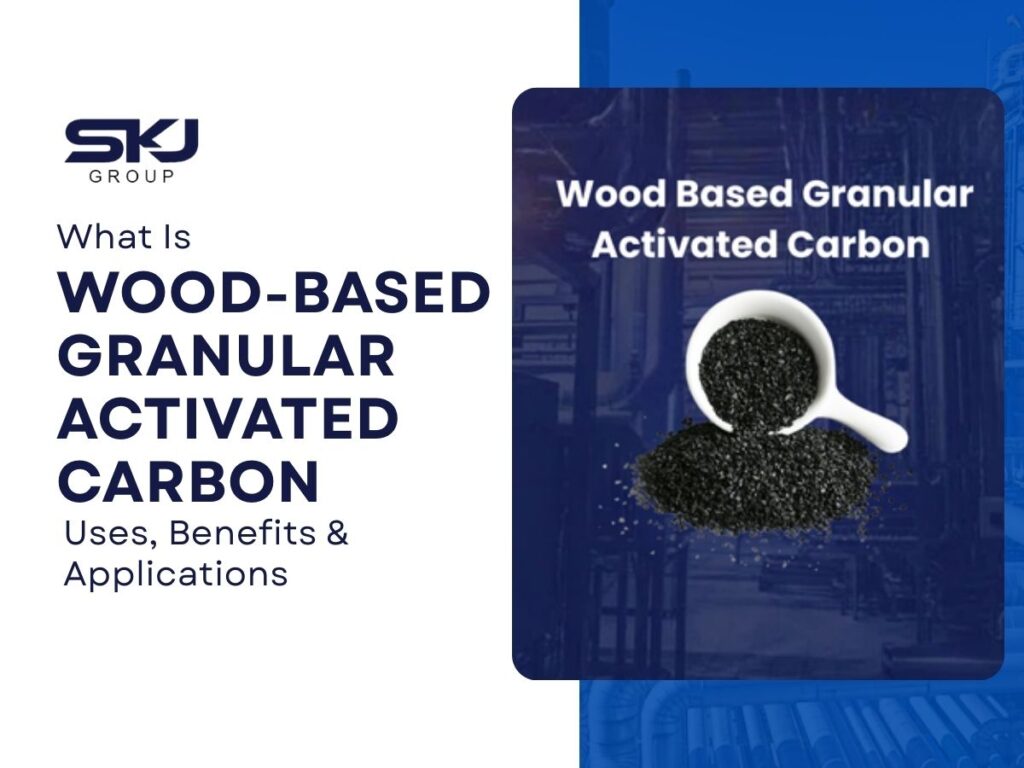
In 2023, a municipal water treatment facility in Colorado faced persistent taste and odor issues that conventional filtration couldn’t resolve. After switching to wood-based granular activated carbon from a certified wood-based granular activated carbon manufacturer, they achieved a 97% reduction in organic contaminants within 30 days while cutting operational costs by 23%. This case demonstrates why industries worldwide are embracing sustainable activated carbon solutions for critical purification needs.
Wood-based granular activated carbon (GAC) represents a breakthrough in filtration technology, offering superior adsorption capabilities derived entirely from renewable wood sources. Unlike coal-based alternatives, this eco-friendly activated carbon provides exceptional purity while supporting environmental sustainability. As demand for high adsorption activated carbon grows across water treatment, air purification, and industrial applications, understanding this natural wood activated carbon becomes essential for businesses seeking both performance and responsibility.
Understanding Wood-Based Granular Activated Carbon
Wood-based granular activated carbon is a highly porous carbon material manufactured through controlled thermal decomposition of premium wood precursors. The production process involves carbonizing select hardwood species at temperatures exceeding 800°C, followed by activation using steam or carbon dioxide to create an intricate network of microscopic pores.
This renewable activated carbon features pore sizes ranging from 20 to 500 angstroms, creating an enormous internal surface area. A single gram of quality wood-based granular carbon filtration media can possess a surface area exceeding 1,000 square meters, equivalent to two basketball courts. This extraordinary porosity enables the material to trap organic compounds, chemicals, and contaminants through physical adsorption.
Key characteristics include:
- Surface area: 1,000-1,500 m²/g for maximum adsorption capacity
- Particle size: 8×30 to 12×40 mesh for optimal flow rates
- Ash content: 2-5% compared to 8-15% for coal-based alternatives
- Pore structure: Mesopores and macropores are ideal for organic molecule removal
- pH neutrality: Prevents leaching and maintains water quality
The wood-based granular activated carbon supplier network emphasizes that steam activation creates predominantly mesopores, ideal for removing larger organic molecules found in industrial wastewater and drinking water applications.
Primary Applications for Water Treatment
Wood-based granular activated carbon for water treatment serves as a cornerstone technology for municipal drinking water facilities, industrial process water systems, and wastewater remediation projects. Its exceptional capacity for removing dissolved organic compounds makes it indispensable for addressing taste, odor, and color issues.
Municipal water treatment plants deploy wood-based granular activated carbon for water purification to eliminate naturally occurring organic matter, disinfection byproduct precursors, and trace pharmaceutical compounds. The material’s neutral pH characteristics prevent leaching issues, ensuring compliance with strict drinking water regulations.
Industrial facilities utilize high adsorption wood-based granular activated carbon for specialized applications:
- Chemical processing: Removes industrial solvents and synthetic organic chemicals
- Food and beverage: Eliminates chlorine, taste compounds, and color from process water
- Pharmaceutical manufacturing: Achieves ultra-pure water requirements for drug production
- Textile industry: Removes reactive dyes before environmental discharge
Wood-derived granular activated carbon for wastewater treatment addresses increasingly stringent environmental regulations. Facilities achieve effluent quality that meets regulatory requirements while enabling water reuse opportunities, reducing overall operational costs.
Performance metrics demonstrate effectiveness:
- Chlorine removal efficiency exceeding 95%
- Total organic carbon (TOC) reduction by 60-80%
- Pesticide and herbicide removal at parts-per-billion levels
- Disinfection byproduct formation potential reduced by 70%
Air Purification and Industrial Gas Treatment Applications
Wood-based GAC for air purification delivers superior performance in controlling airborne contaminants across residential, commercial, and industrial environments. The material’s pore structure efficiently captures volatile organic compounds (VOCs), odors, and gaseous pollutants that conventional filtration cannot address.
HVAC systems in commercial buildings integrate eco-friendly wood-based GAC for industrial filtration to maintain indoor air quality standards. The carbon removes formaldehyde, benzene, and other VOCs emitted from building materials, furnishings, and cleaning products.
Industrial applications include:
- Solvent recovery systems: Captures and reclaims valuable chemicals from process exhaust
- Paint booth exhaust treatment: Reduces VOC emissions to meet air quality permits
- Food processing facilities: Controls odors and removes ethylene gas for extended produce shelf life
- Chemical plants: Capture fugitive emissions, preventing workplace exposure
Sustainable wood-based activated carbon for air filters provides VOC adsorption capacity ranging from 20-40% by weight, with mercury vapor capture efficiency exceeding 90%. The material’s high mechanical strength allows regeneration for cost-effective reuse.
Environmental and Economic Benefits
Selecting sustainable activated carbon solutions delivers measurable environmental advantages alongside operational benefits. Wood-based granular activated carbon manufactured from certified forestry sources supports carbon-neutral production cycles, as new tree growth offsets carbon released during manufacturing.
Environmental advantages:
- Renewable resource utilization: Sourced from sustainably managed forests
- Lower carbon footprint: Reduced processing energy compared to coal-based production
- Biodegradable disposal: Safe environmental return after exhaustion
- Forest management support: Promotes biodiversity and ecosystem health
Economic benefits extend beyond raw material availability. The consistent quality of natural wood-activated carbon reduces variability in filtration system performance, minimizing maintenance costs and extending equipment service intervals. Facilities report 15-25% lower total cost of ownership compared to alternatives.
The material’s regeneration potential further enhances economic viability. Spent wood-based granular carbon filtration media can undergo thermal reactivation, recovering 85-95% of the original adsorptive capacity. This circular approach reduces waste disposal costs while lowering operational carbon footprint.
Selecting the Right Supplier
Partnering with a qualified wood-based granular activated carbon exporter ensures optimal performance and regulatory compliance. Reputable wood-based granular activated carbon manufacturers provide detailed product specifications, including iodine number, molasses number, ash content, and particle size distribution.
Essential supplier qualifications:
- NSF/ANSI 61 certification: Required for drinking water applications
- ISO 9001 quality management: Demonstrates consistent manufacturing processes
- ASTM compliance: Verifies adherence to industry testing standards
- Technical support services: Application engineering and system optimization assistance
- Supply chain reliability: Inventory availability and flexible packaging options
Leading suppliers maintain rigorous quality control and offer regeneration services or spent carbon management programs. This comprehensive support ensures the uninterrupted operation of critical filtration systems.
Installation and Maintenance Best Practices
Proper installation maximizes the performance of industrial-grade wood-based activated carbon systems. New carbon requires thorough backwashing to remove fines and ensure proper bed expansion. This step prevents channeling, which reduces contact time and diminishes removal efficiency.
System design must account for adequate empty bed contact time (EBCT), typically 5-15 minutes for water treatment applications. Monitoring breakthrough curves helps optimize replacement timing by tracking effluent contaminant concentrations, pressure differential, and flow rates.
Maintenance protocols should include:
- Regular backwashing to redistribute carbon and remove fines
- Monitoring pH and temperature to prevent premature exhaustion
- Sampling programs to track removal efficiency over time
- Pressure differential monitoring to detect bed compaction
- Pre-filtration systems to remove particulate matter and biological growth
Eco-friendly wood-based GAC for industrial filtration systems benefits from comprehensive monitoring that extends service life and maintains consistent performance throughout the carbon bed lifecycle.
FAQ’s About Wood-based Granular Activated Carbon
1. What makes wood-based GAC different from coal-based activated carbon?
Wood-based granular activated carbon offers lower ash content, larger pore structures for organic molecule removal, and sustainable, renewable sourcing compared to coal alternatives.
2. How long does wood-based GAC last in water treatment applications?
Service life for wood-based granular activated carbon for water purification typically ranges from 12-24 months in municipal applications, depending on contaminant loading and water chemistry.
3. Can wood-based activated carbon be regenerated and reused?
Yes, high adsorption wood-based granular activated carbon undergoes thermal regeneration at 800-900°C, restoring 85-95% of original adsorptive capacity for sustainable reuse.
4. Is wood-based GAC safe for drinking water applications?
Wood-based granular activated carbon with NSF/ANSI 61 certification meets strict safety standards, ensuring no harmful substances leach into potable water during treatment.
5. What certifications should I look for when selecting a supplier?
Verify NSF/ANSI 61 for drinking water, ISO 9001 for quality management, ASTM compliance, and sustainable forestry certifications from reputable wood-based granular activated carbon suppliers.
6. How does wood-based GAC perform in removing PFAS contaminants?
Wood-derived granular activated carbon for wastewater treatment achieves 70-95% removal efficiency for long-chain PFAS compounds, with performance varying by chain length and water chemistry.
Conclusion: Embracing Sustainable Filtration Technology
Wood-based granular activated carbon represents the future of filtration technology, combining exceptional performance with environmental responsibility. As industries face increasing pressure to meet stringent water quality standards and air emission regulations, sustainable activated carbon solutions offer a proven pathway to compliance while reducing operational costs.
The versatility of wood-based granular activated carbon for water purification and wood-based GAC for air purification makes it an ideal choice across diverse applications. From municipal drinking water facilities to industrial manufacturing plants, this renewable activated carbon delivers consistent results backed by decades of proven performance.
